The Dangerous Misrepresentation of Antidepressants

The public image of antidepressants is crucial to their ethical administration, as it is vital that mental health be treated seriously. Therefore, the way they are perceived by the public must be carefully considered to encourage those who need them and dissuade those who do not. This was a more serious issue in the 20th century than it is today—or so it seemed. This is … Continue reading The Dangerous Misrepresentation of Antidepressants

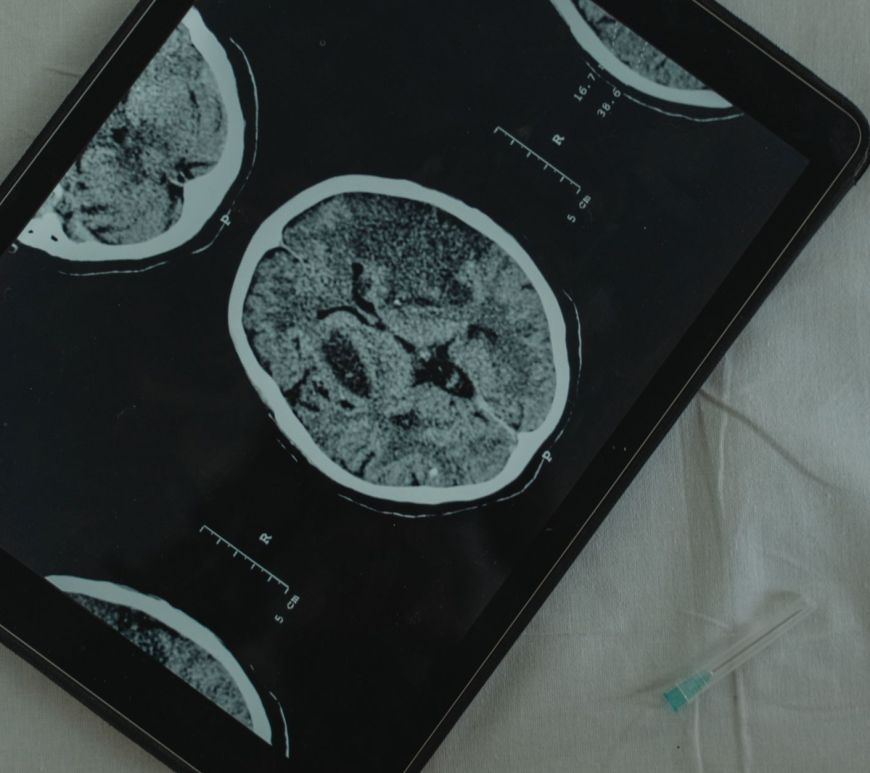
The Brain That Changes Itself – Norman Doidge

According to Norman Doidge, it is possible to make blind people see again, to recover from a debilitating stroke, and to live life with only half of a brain. To somebody who has not read The Brain That Changes Itself, these must seem like ridiculous assumptions that border on the sci-fi, but through the simple biological phenomenon of neuroplasticity these things, and many more, become … Continue reading The Brain That Changes Itself – Norman Doidge

The neuroscience behind cravings

Craving is a central feature of addiction, driving compulsive substance use in spite of harmful consequences. It emerges from disruptions in the brain’s reward and control systems, particularly involving hypersensitisation to conditioned cues and the downregulation of dopamine D2 receptors. Volkow et al. (2011) provided key insights into how these processes contribute to the persistent and overwhelming desire for substances that characterises addiction. Hypersensitisation to … Continue reading The neuroscience behind cravings

The physical manifestation of forgiveness

At first, forgiveness may seem too vague to quantify scientifically and thus, near impossible to study. In this way, forgiveness is indicative of the problems faced in many areas of psychology, as the link between brain chemistry, psychoanalysis and correct diagnosis of a psychological disposition is incredibly hard to quantify. This is exemplified by forgiveness, as how can one assign a number to an individual’s … Continue reading The physical manifestation of forgiveness

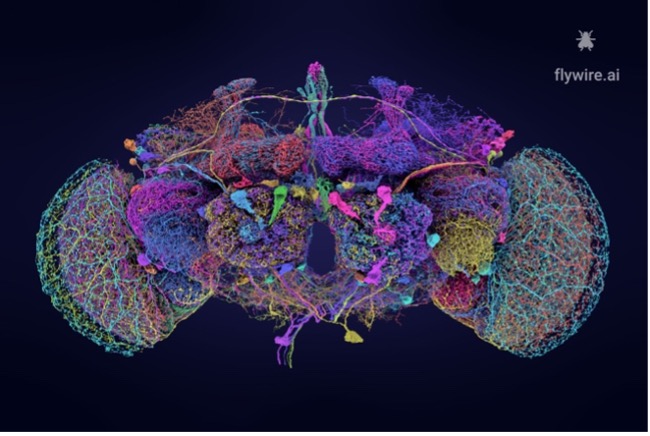
Mapping Consciousness: Flywire’s Brain Connectome and its Promise for the Future of Neuroscience

As neuroscientists’ interest in brain functionality and mental disorders has grown, so too has the demand for more precise neural mapping techniques. With more than 80 billion neurons and trillion connections, the creation of a “connectome” – or wiring diagram – for the human brain remains an unfathomably complex task. This complexity has, until recently, hindered researchers’ ability to link brain structure with function in … Continue reading Mapping Consciousness: Flywire’s Brain Connectome and its Promise for the Future of Neuroscience

Why Do People Commit Crimes?

When thinking about criminals, or simply people who commit crimes, the first thoughts that commonly come to mind after that are questions, like “Why do they commit crimes?”. That question I will be attempting to answer in the shorter, more compact medium of an article as the answer is a vortex of environmental, social and even genetic factors. I will be exploring the sociological and … Continue reading Why Do People Commit Crimes?

Forensic Psychology

Forensic Psychology lies at the intersection of psychology and law, applying psychological theories and knowledge to the criminal justice system. From interrogating suspects and understanding the innerworkings of a criminal mind to supporting offenders and victims in the aftermath of crime, its scope is both vast and varied. This article provides an insight into three critical aspects of forensic psychology: The popular notion of ‘profiling’ … Continue reading Forensic Psychology