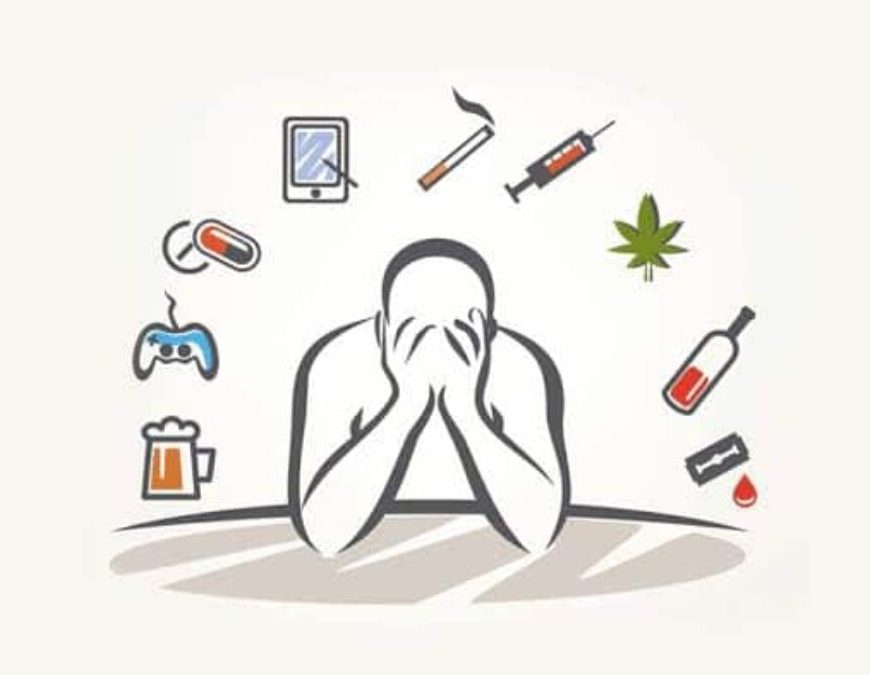
The neuroscience behind cravings
Craving is a central feature of addiction, driving compulsive substance use in spite of harmful consequences. It emerges from disruptions in the brain’s reward and control systems, particularly involving hypersensitisation to conditioned cues and the downregulation of dopamine D2 receptors. Volkow et al. (2011) provided key insights into how these processes contribute to the persistent and overwhelming desire for substances that characterises addiction. Hypersensitisation to … Continue reading The neuroscience behind cravings